Why Automation Equipment Is So Expensive to Finance (And Why It Matters for PLC Jobs)
Modern manufacturing runs on machines.
CNC mills.
Industrial robots.
Automated assembly lines.
PLC-controlled production cells.
But behind every machine installed in a factory is something most engineers never think about:
equipment financing.
And right now, financing may be one of the biggest hidden bottlenecks preventing factories from buying more automation equipment.
Understanding this helps explain why some countries build manufacturing ecosystems faster than others — and why automation job growth sometimes stalls.
The Hidden Cost Behind Factory Automation
Most factories don’t buy machines outright.
Instead, they lease them through equipment financing.
Typical machines in automation-heavy factories include:
| Machine | Typical Cost |
|---|---|
| CNC machining center | $150k – $500k |
| Industrial robot cell | $100k – $350k |
| Automated packaging line | $250k – $1M |
| Injection molding machine | $100k – $400k |
For small and mid-sized manufacturers, paying cash for these machines is impossible.
So they lease them.
A Surprising Difference in Equipment Financing
According to industrial policy researcher Denver Rayburn, manufacturers in the United States often pay dramatically higher financing costs than competitors overseas.
Example: Financing a $200,000 CNC machine
| Country | Monthly Payment |
|---|---|
| South Korea | ~$2,013 |
| United States | ~$6,221 |
That’s more than 3× higher.
For a small manufacturer trying to buy multiple machines, this difference can determine whether automation investments happen at all.
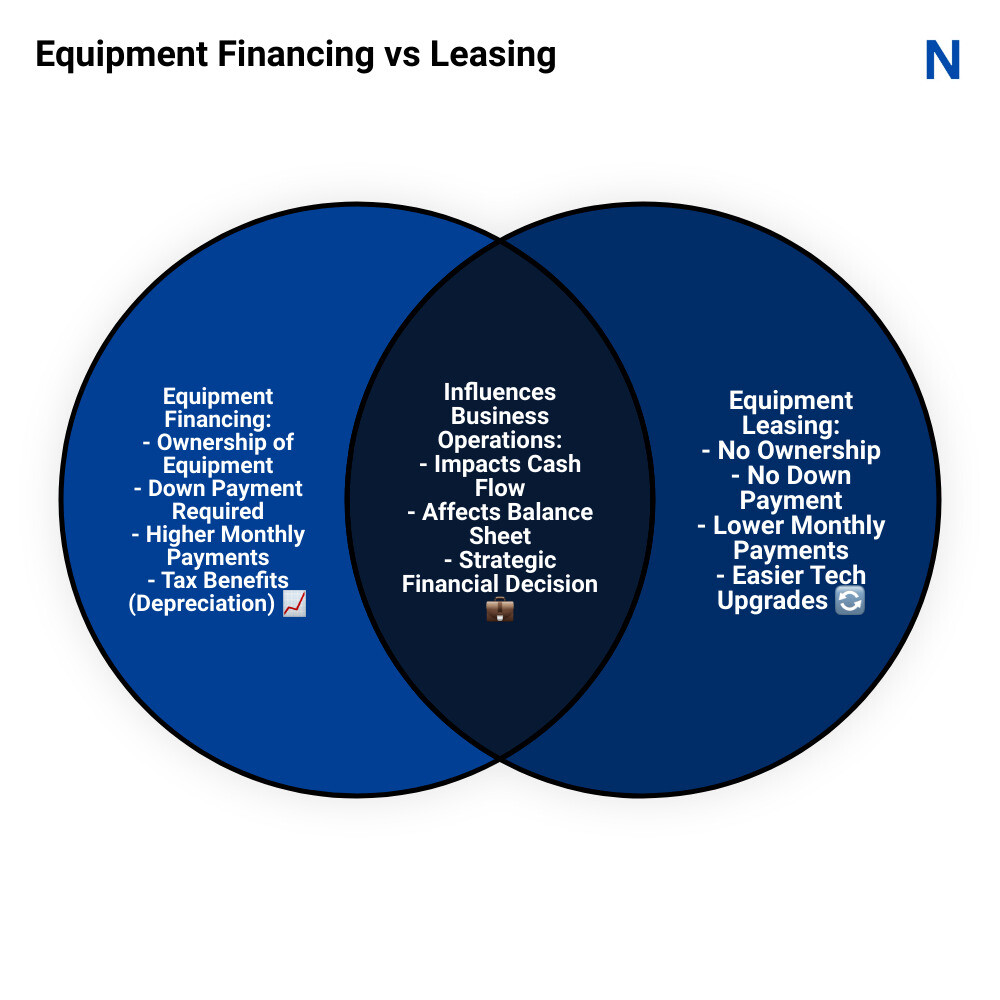
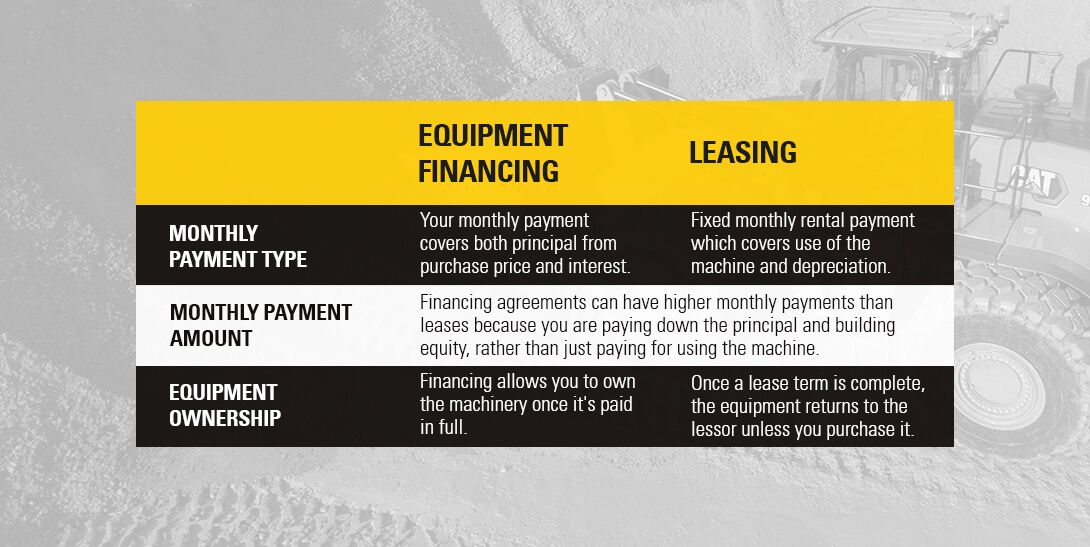
Chart: Equipment Financing Cost Comparison

If a company installs:
-
5 CNC machines
-
3 robotic cells
-
2 automated inspection systems
financing costs can differ by hundreds of thousands of dollars per year depending on leasing conditions.
Why Financing Matters for Automation
Automation engineers tend to focus on:
-
cycle time
-
robot reach
-
PLC architecture
-
machine integration
But factory owners focus on financing.
A machine isn’t just a technical decision.
It’s a capital investment decision.
The monthly payment must make sense relative to the production revenue the machine generates.
Example:
| Machine | Cost | Monthly Lease | Required Revenue |
|---|---|---|---|
| Robot welding cell | $250k | $7k/month | Must generate >$7k profit |
| CNC machining center | $200k | $6k/month | Must generate >$6k profit |
If financing costs are too high, companies delay automation investments.
What Happened to Equipment Financing?
Much of the current financing environment traces back to banking regulations implemented after the 2008 financial crisis.
International banking rules (such as Basel II and Basel III) changed how banks must treat the risk of equipment leasing.
Specifically:
Banks must now hold more capital reserves against leased equipment.
The residual value of a machine — what it’s worth at the end of the lease — is treated as a higher risk asset.
The result:
• banks reduced long-term equipment leasing
• lease durations shortened
• monthly payments increased.
Instead of 7–10 year equipment leases, many manufacturers now face 24–36 month terms.
That dramatically increases monthly payments.
Why This Slows Down Manufacturing Growth
When financing becomes expensive, the first companies affected are small and mid-sized manufacturers.
Large corporations can still invest in machines.
But smaller suppliers — which form the backbone of manufacturing ecosystems — struggle.
This has major consequences:
• fewer new factories
• slower automation adoption
• fewer robotics installations
• fewer PLC integration projects.
In other words:
fewer automation jobs.
Chart: The Automation Investment Pipeline
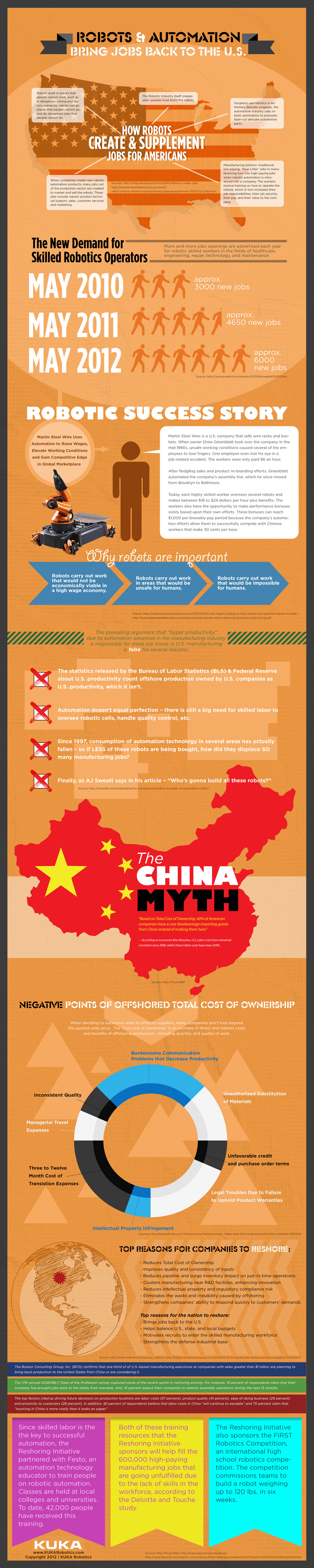
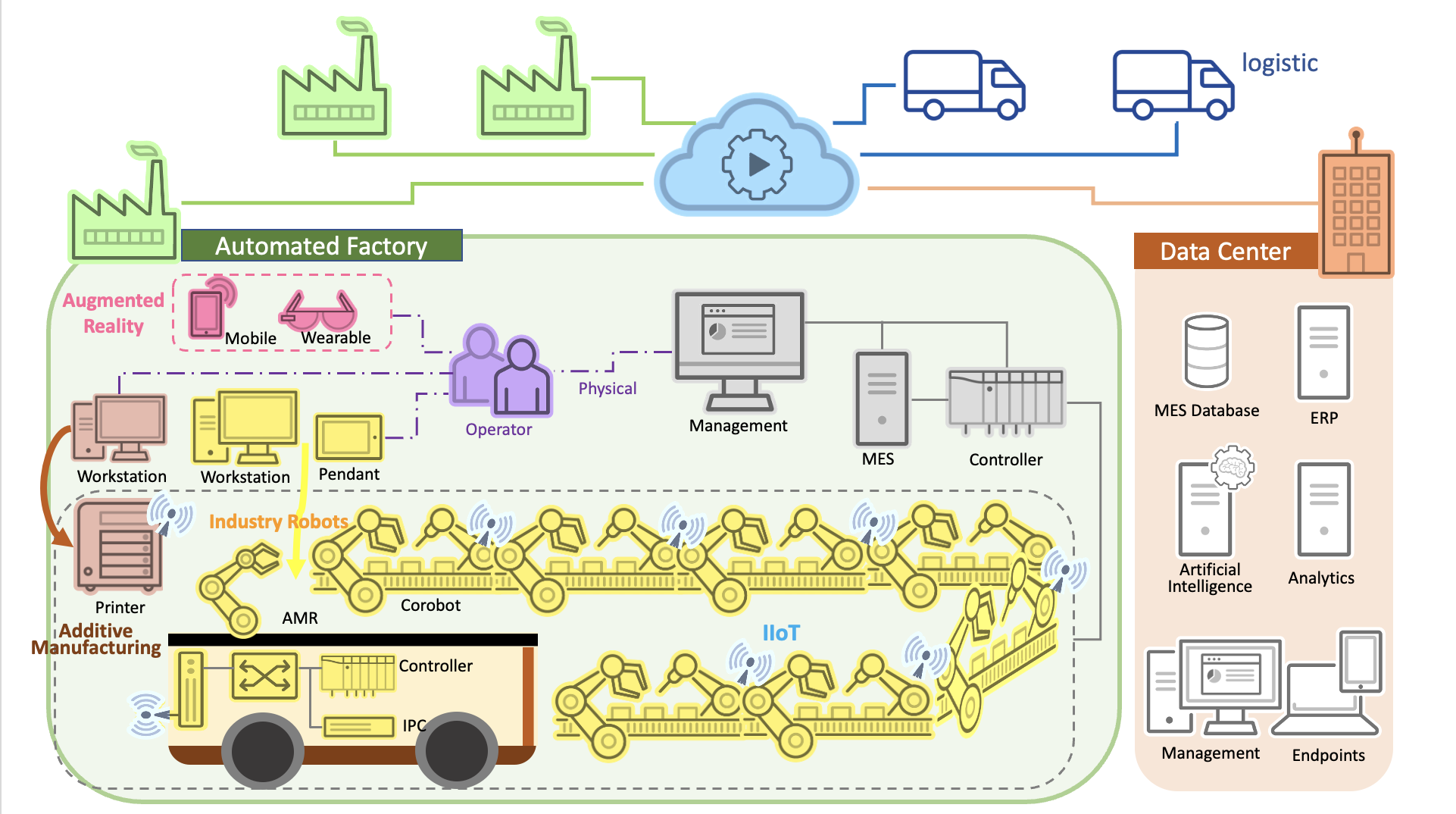
Automation job growth often follows a predictable pipeline:
-
Equipment financing becomes available
-
Manufacturers buy machines
-
Automation systems are installed
-
PLCs and robotics are programmed
-
Maintenance and engineering roles expand.
If the first step fails, the rest never happens.
Why Manufacturing Clusters Matter
Some regions build powerful manufacturing ecosystems.
Examples include:
• Shenzhen (electronics)
• Southern Germany (precision manufacturing)
• Japan’s robotics clusters.
These regions succeed because thousands of small suppliers can afford equipment.
Each supplier might own:
-
a few CNC machines
-
a robotic welding cell
-
automated inspection equipment.
When hundreds or thousands of companies operate this way, entire industrial ecosystems emerge.
Automation engineers benefit from these clusters because:
-
new factories open
-
machine builders grow
-
integration projects multiply.
What Could Fix the Problem
Some policy researchers propose using government export finance institutions to support equipment leasing.
One idea involves the Export-Import Bank guaranteeing the residual value of leased machines.
In theory, this would:
• reduce bank risk
• allow longer lease terms
• reduce monthly payments.
That would make it easier for manufacturers to invest in automation equipment.
More machines would mean:
-
more factory expansion
-
more robotics
-
more PLC programming jobs.
What This Means for Automation Careers
For engineers and technicians working in industrial automation, financing conditions have a surprisingly large impact on job opportunities.
When equipment investment rises:
You see more demand for:
• PLC programmers
• controls engineers
• robotics technicians
• automation integrators
• industrial maintenance specialists.
When equipment investment slows, those projects disappear.
Automation careers are tied directly to capital investment in manufacturing technology.
The Bottom Line
Automation jobs don’t exist in isolation.
They depend on a chain of economic factors:
equipment financing → machine purchases → factory automation → engineering jobs.
When manufacturers can afford to invest in machines, the entire automation ecosystem grows.
Understanding these forces helps explain why some regions become manufacturing powerhouses — and why others struggle to scale automation.